Many HVAC systems in Brooklyn run every day but do not perform the way they should. Weak airflow, uneven room temperatures, noise, dust, high utility bills, and difficult maintenance are often linked to installation details, duct design, material choices, or neglected service. This guide is designed as a practical reference for homeowners, property managers, and HVAC professionals who want to better understand how a system should operate and what commonly goes wrong.
1. Design and Installation
Many HVAC problems begin at the design stage, or more often, in the gap between the design and the final installation. Designers may calculate the system correctly, but by the time the project is built, important details often change.
One of the main problems is that the installed system does not always match the original drawings. Vent locations may be moved, airflow volumes may differ from the design values, and duct runs may be altered during construction without proper adjustment to the overall system.
On top of that, some sections of ductwork may have higher internal resistance than expected, and air leakage may be present. As a result, the system may no longer deliver air the way it was intended to, which can lead to poor air distribution, weak air mixing, and reduced overall performance.
A common example is when a long section of rigid ductwork is replaced with flexible ducting during installation. On paper, the layout may still appear acceptable, but in reality, flexible duct has higher resistance, especially if it is too long, sagging, or poorly stretched. That added resistance can reduce airflow, throw off the system balance, and change how air is delivered to the space.
2. Wrong Materials Used
Another major problem is the use of materials that are not suitable for the system or for long-term maintenance. The system may technically operate, but the wrong materials can create hygiene, performance, and safety issues that are difficult to correct later.
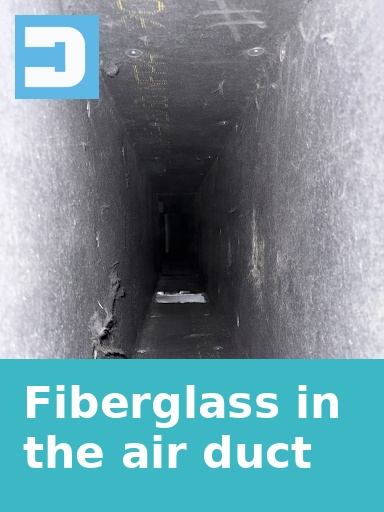
2.1 Fiberglass in air ducts
For example, fiberglass may be used in the air duct system for insulation. Over time, that fiberglass can deteriorate. Once fiberglass lining begins to break down and become exposed, it cannot be restored through cleaning. Fiberglass particles may also enter the airstream and be inhaled by building occupants, increasing the risk of respiratory irritation.
In addition to this, unlike smooth metal ducts, fiberglass insulation is porous and contains microscopic spaces where mold hyphae — root-like fungal structures — can penetrate deeply into the material, creating another hygiene and maintenance concern.
The same material-selection and maintenance issues can also appear in related household exhaust systems, such as clothes-dryer exhaust systems.
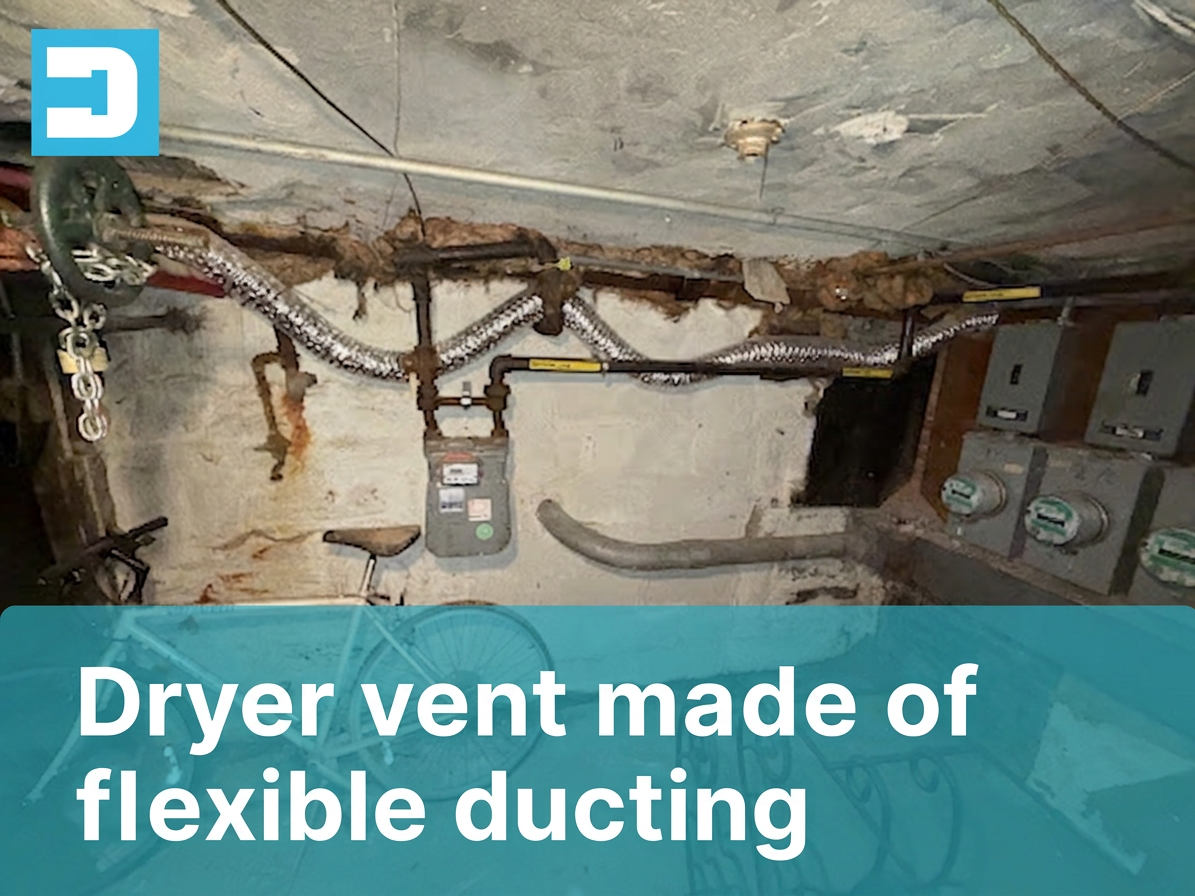
2.2 Flexible Ducting in a Dryer Exhaust System
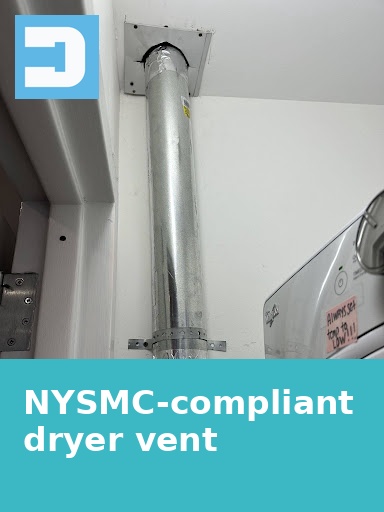
This is a problem because dryer exhaust ducts are required to have a smooth interior finish and be constructed of metal of the minimum required thickness and specified diameter. Flexible ducting can trap lint more easily, restrict airflow, and increase the risk of overheating or fire.
Transition ducts that connect the dryer to the vent must be a single listed and labeled length in accordance with UL 2158A, must not exceed 8 feet in length, and must not be concealed within construction.
Quite often, the transition ducts actually installed are not listed and labeled in accordance with UL 2158A.
2.3 Access to Inspect and Maintain
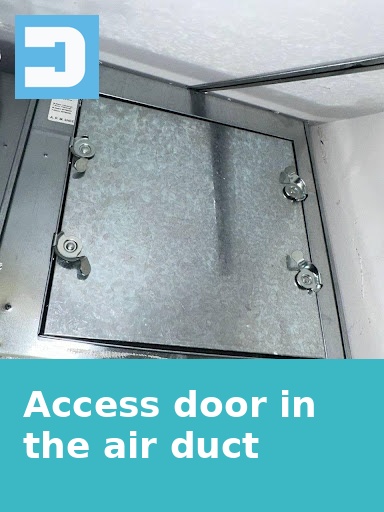
A system also becomes difficult to maintain when proper access is not provided from the start. If technicians cannot reach key sections of the ductwork, cleaning and inspection become incomplete by default, no matter how well the work is performed.
In this case, modifications to the walls/ceilings are needed to provide access for maintenance.
2.4 Filters of Appropriate MERV or FPR Rating
Filtration can also become a problem when the wrong filter rating is used. If the filter’s MERV or FPR rating is too low, it may fail to capture enough airborne particles. If it is too restrictive for the system, it can reduce airflow and place unnecessary strain on the equipment. In either case, poor filter selection can affect both air quality and system performance.
3. Regular Cleaning
You are quite fortunate if regular cleaning of your systems is your sole concern.
However, important nuances apply to maintenance schedules as well.
Coils are often best cleaned annually if you have filters appropriate for your system. Proper filters help reduce contamination, although exceptions apply and cleaning more often than once a year may be required.
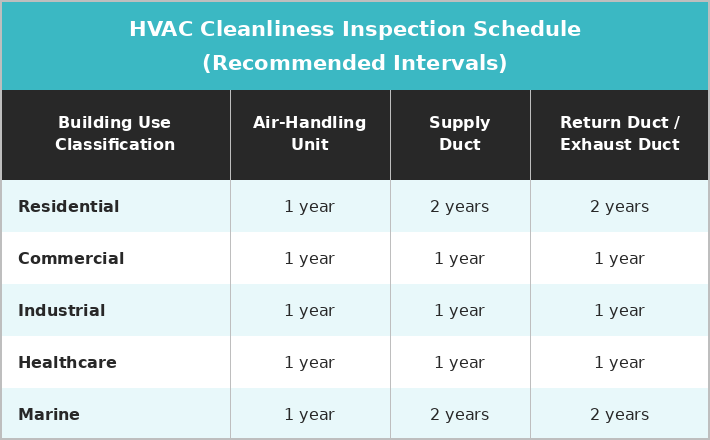
Air ducts should be inspected regularly and cleaned whenever necessary. According to the NADCA ACR 2021 inspection schedule, residential supply and return duct systems, including main trunk ducts, should be inspected every 2 years. Note that these are average recommendations. More frequent inspections might be needed depending on occupancy and system conditions.
The same maintenance principle applies to dryer exhaust systems: dryer vent cleaning frequency depends on how heavily the dryer is used, how the vent is routed, and whether you have pets, as all these factors affect how quickly lint builds up.
Skilled technicians can advise you on the best maintenance schedule for your system and justify their proposals with facts relating to your system. They can help with filter selection too.
4. How to Avoid the Most Common Mistakes
Preventing HVAC problems is much easier than solving them.
4.1 Design Mistakes
Design mistakes are best avoided by tracking the drawings from the start all the way through to the as-built stage, noting all the changes, even the smallest ones, confirming them with responsible professionals so that every detail is accounted for, and installing the confirmed system configurations.
4.2 Fiberglass Insulation
Even though fiberglass has good insulating properties, its direct contact with airflow is not recommended to avoid fiberglass particles entering the airstream. Using fiberglass insulation on the outside of the duct, however, may be a reasonable insulation solution. This keeps fiberglass out of the airstream while the duct remains insulated.
4.3 Code-compliant materials
These material-selection issues are not limited to supply and return ductwork; they also affect kitchen exhaust and dryer exhaust components.
For example, under the IMC, domestic cooking exhaust ducts must be constructed of metal, have a smooth interior finish, terminate outdoors, and be equipped with a backdraft damper.
An appropriately UL-listed and labeled transition duct that connects the dryer to the exhaust vent helps ensure safe and proper operation.
Codes and standards are there for a reason, and unfortunately many of them were written in response to tragic accidents. Also, many codes are minimum safety requirements, so if your system does not comply with them, it should be corrected as soon as possible.
4.4 Other Common Mistakes
Consult your technician about the right MERV or FPR rating for your filters, and make sure there is appropriate access to service your systems properly.
5. Benefits of HVAC
When properly designed and installed, an HVAC system can provide reliable indoor comfort throughout the year. It can help maintain more stable indoor temperatures, improve air distribution, and support better indoor air quality when appropriate filtration and maintenance are in place.
A well-functioning HVAC system can also make a space more practical to live in during extreme weather.
HVAC Systems in Brooklyn: Why Proper Installation and Maintenance Matter
In a city like New York City, with cold winters, hot summers, older buildings, and varied construction conditions, HVAC systems often need more than basic installation.
A properly installed and maintained HVAC system should deliver stable temperatures, consistent airflow, and predictable performance — not constant adjustments and recurring problems.
If your system in Brooklyn or nearby areas does not behave this way, it is often a sign that something in the design, installation, or maintenance strategy needs to be corrected — not just serviced.
MainDuct Inc. provides HVAC inspections, airflow diagnostics, and maintenance services across Brooklyn (11215, 11233, 11231, 11217, 11218, 11220, 11222) and surrounding NYC areas.