The leaves are turning yellow and the summer heat is losing its grip—meaning it’s time to fine-tune your HVAC and chimney systems and prepare them for winter. A structured seasonal check helps identify airflow restrictions, combustion concerns, water intrusion, and control issues before cold weather places the equipment under daily demand.
Heating-System Performance and Safety
Heating-system tune-up
Have furnaces, boilers, heat pumps, and air handlers inspected and tested. A professional tune-up can confirm proper operation, identify worn components, and address minor issues before they become emergency breakdowns.
Heat-exchanger and combustion-safety inspection
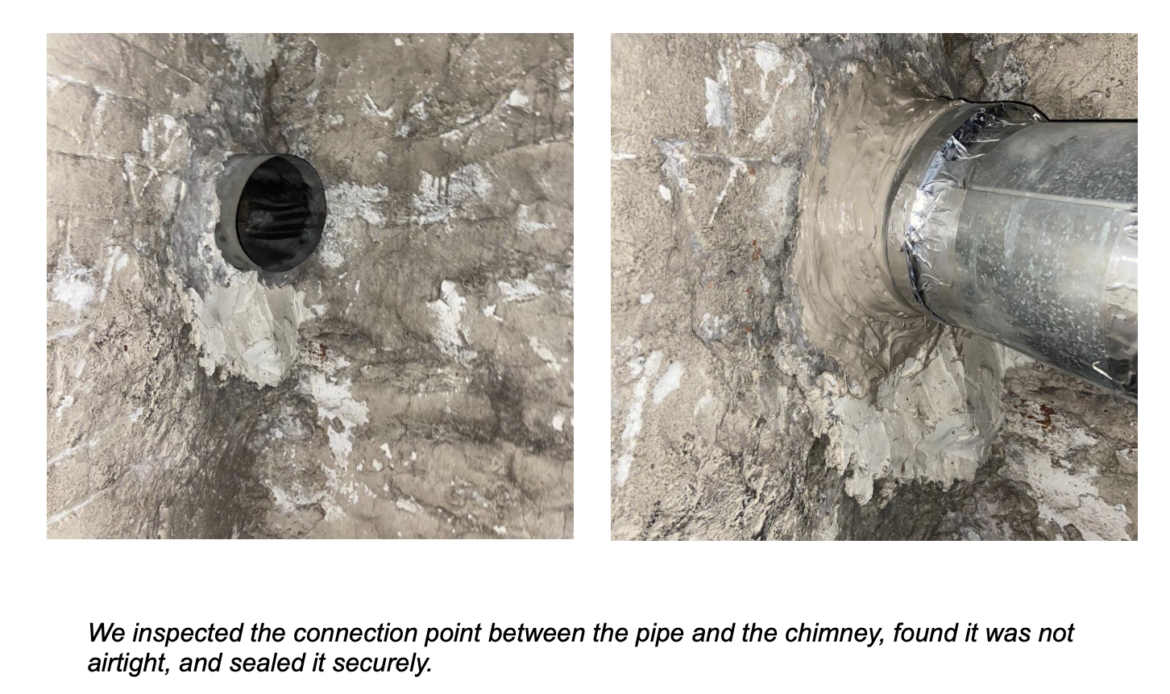
Gas-fired equipment should be evaluated for safe combustion, proper venting, and potential carbon-monoxide hazards. Technicians should also verify that vent connections and combustion-air pathways are secure and unobstructed.
Carbon-monoxide alarm testing
Test carbon-monoxide alarms, replace batteries where applicable, and confirm that alarms are installed in appropriate locations. This is especially important in homes with fuel-burning heating equipment, fireplaces, or attached garages.
Airflow, Ductwork, and Ventilation
Filter replacement and airflow check
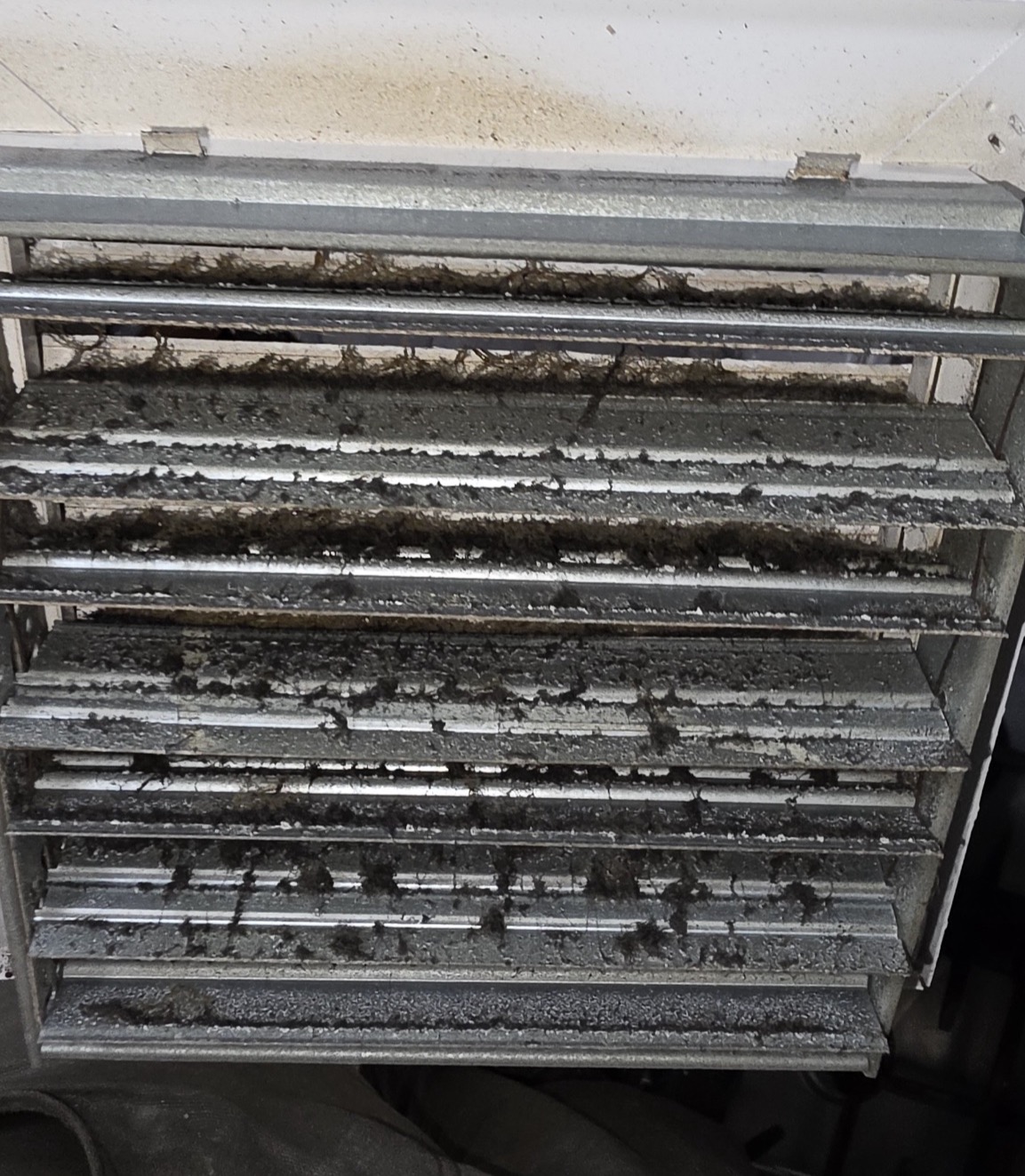
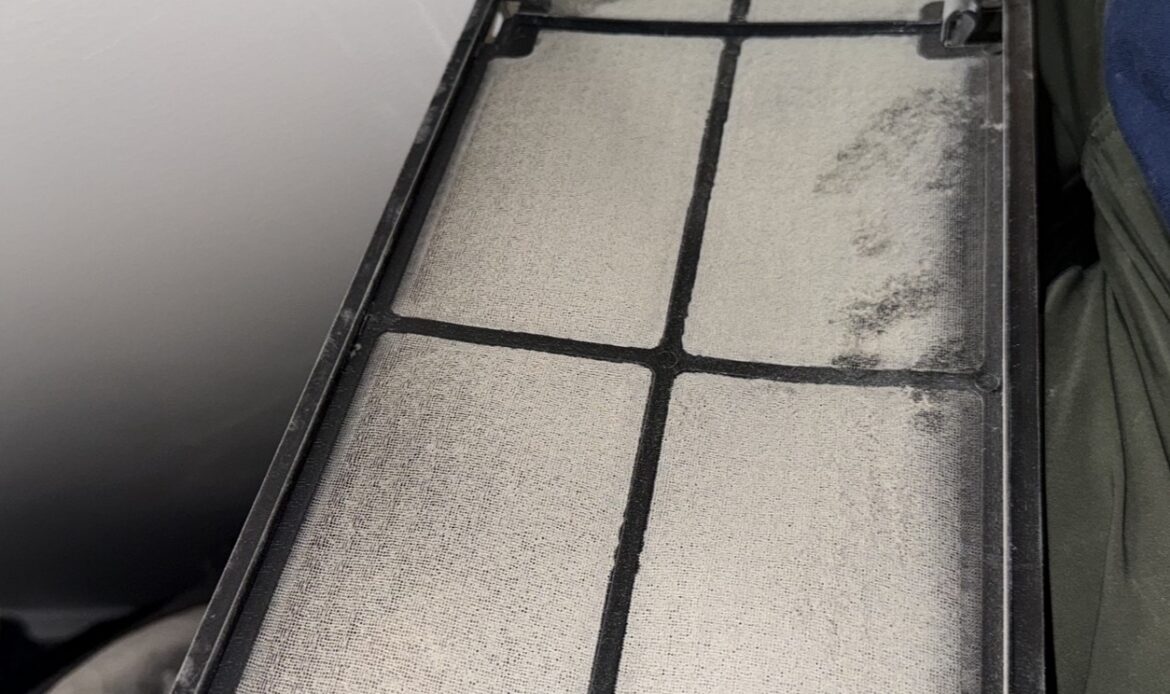
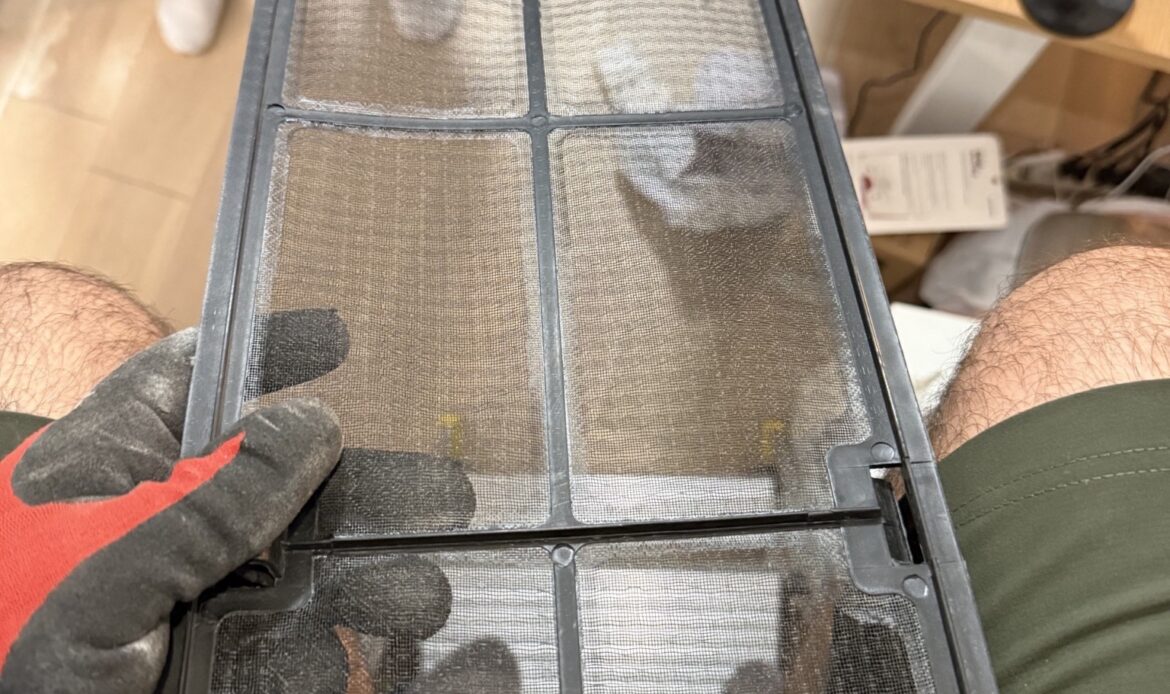
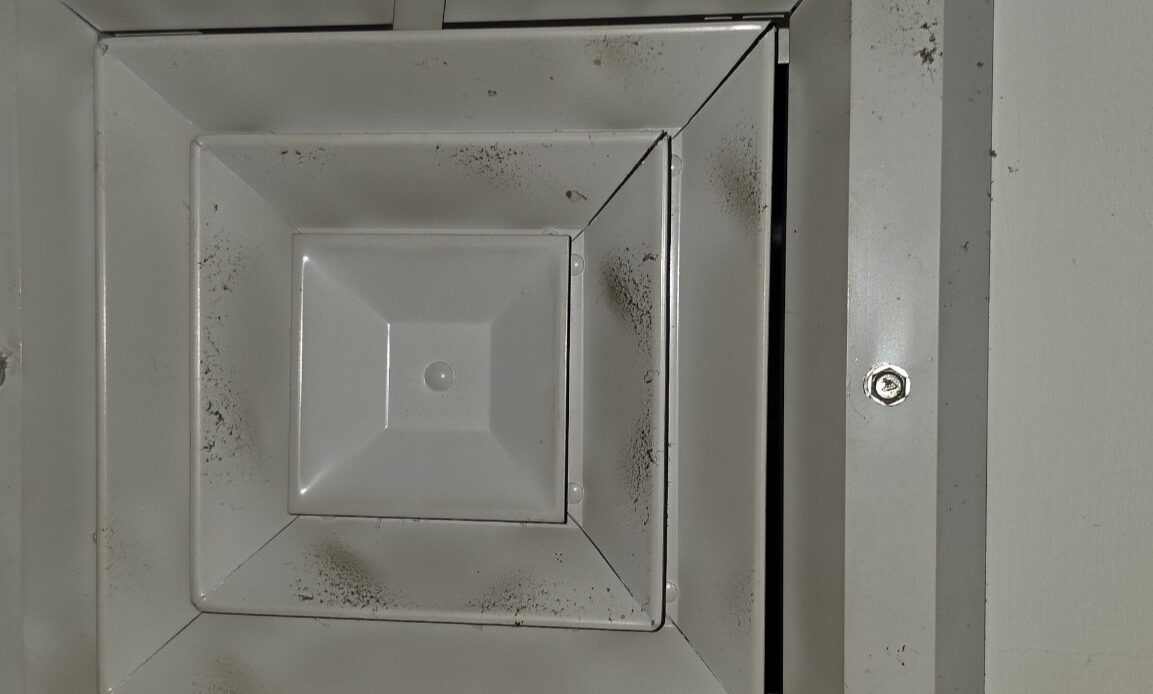
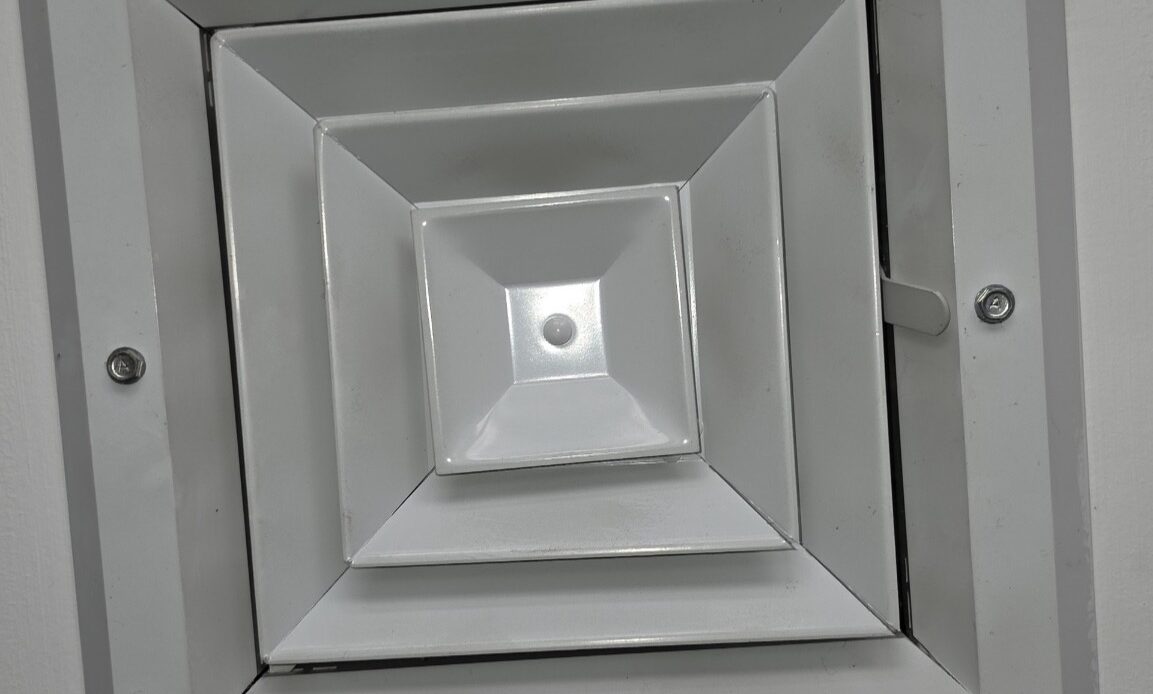
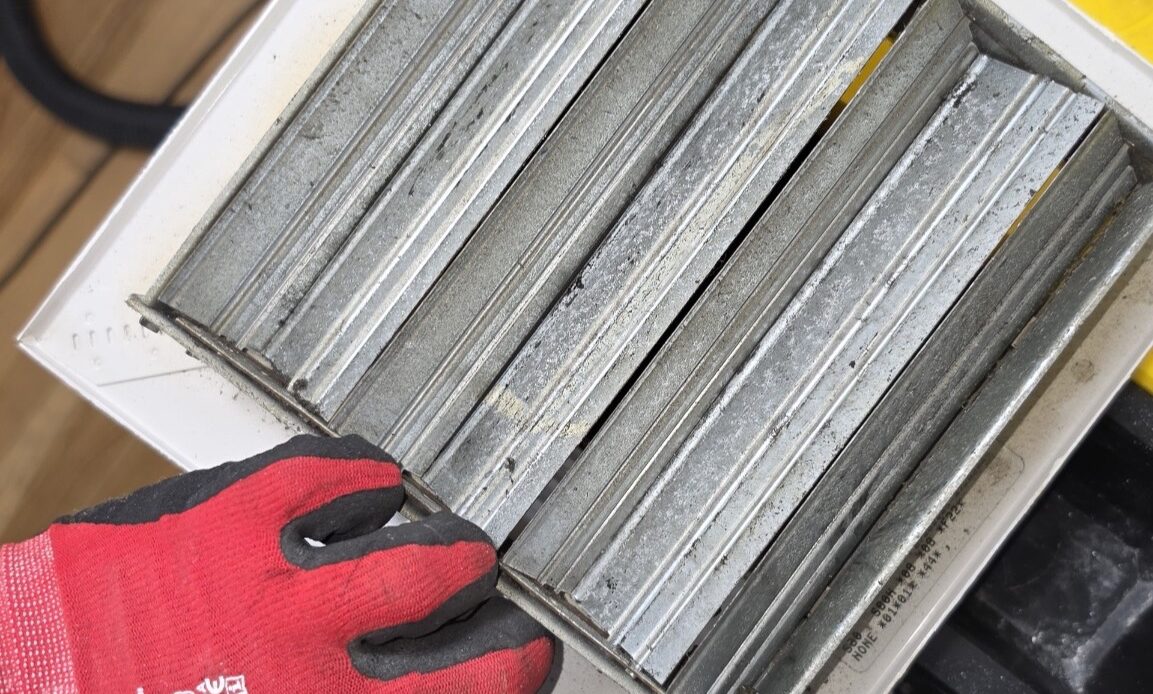
Replace or clean air filters and inspect your grilles; dust buildup, staining, weak airflow, or debris around grilles can indicate that the HVAC system and ductwork need further evaluation. This can also be done by the technicians as part of the air duct cleaning service.
Ductwork inspection and cleaning
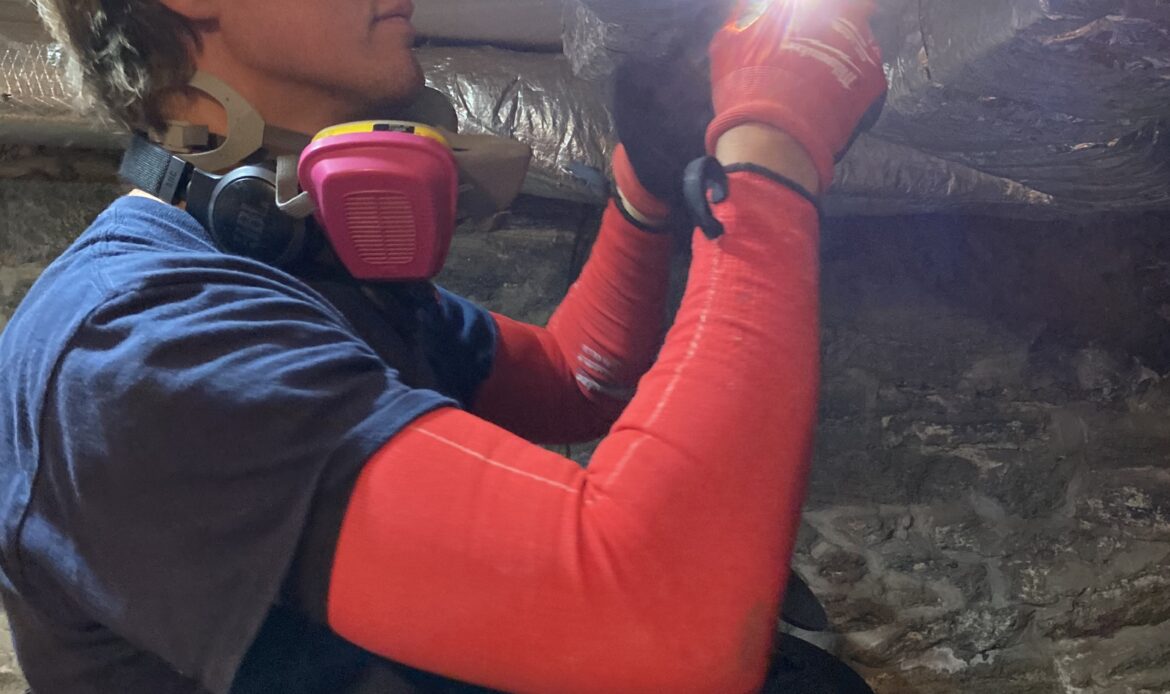
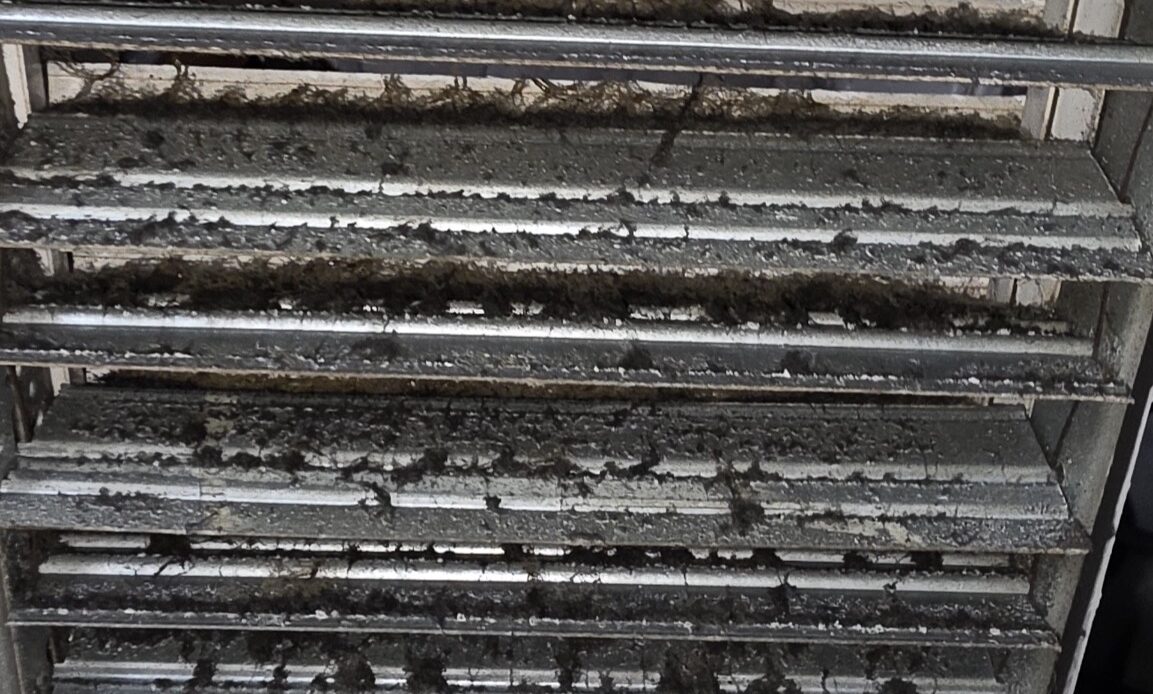
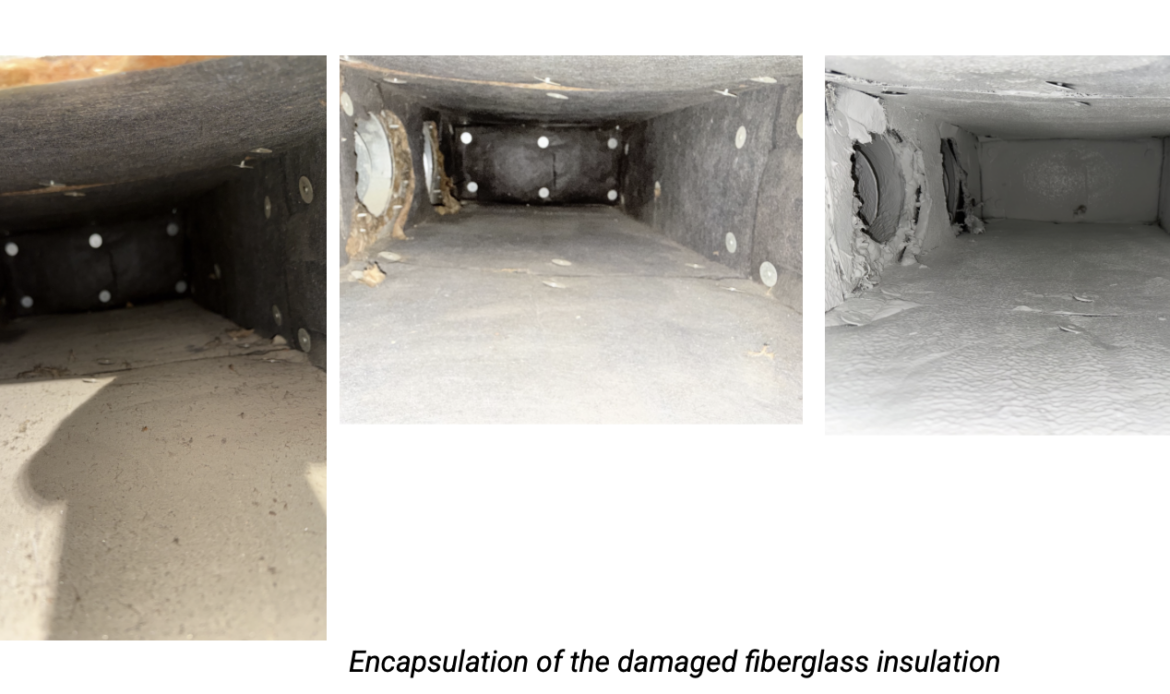
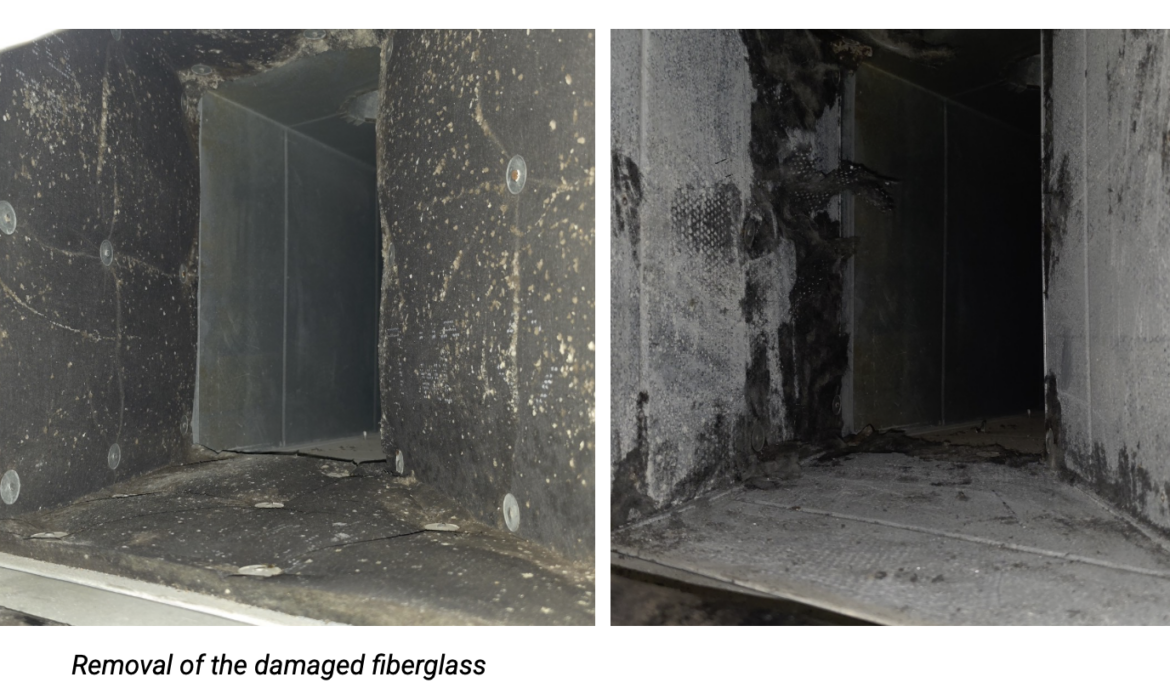
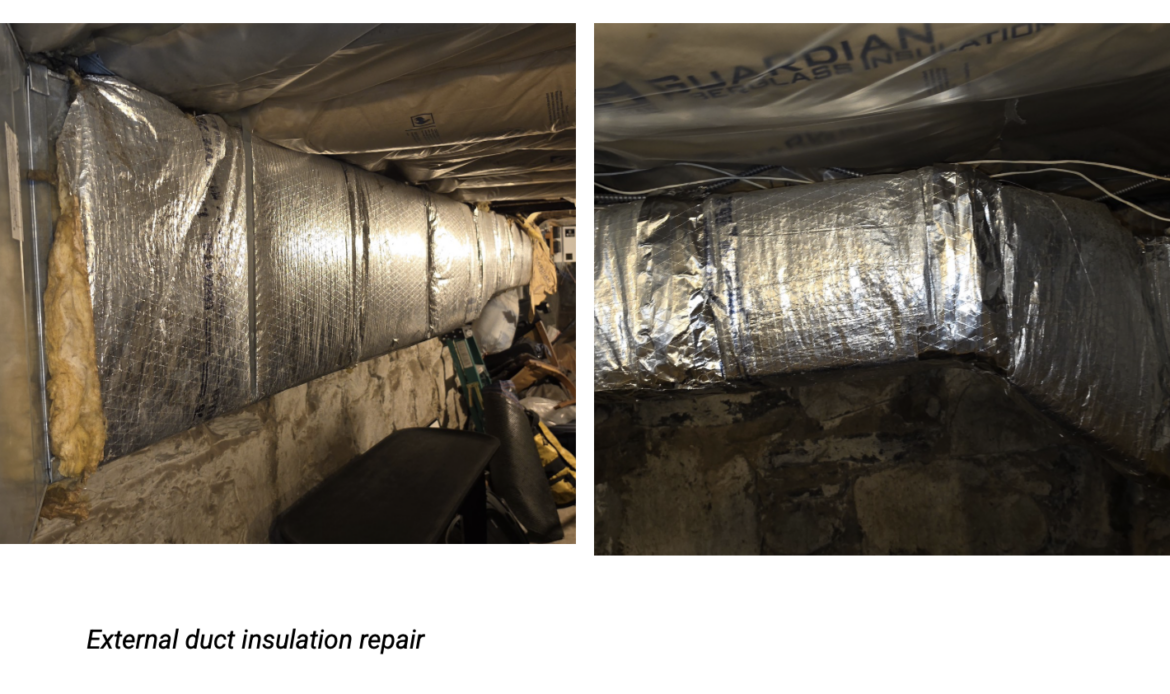
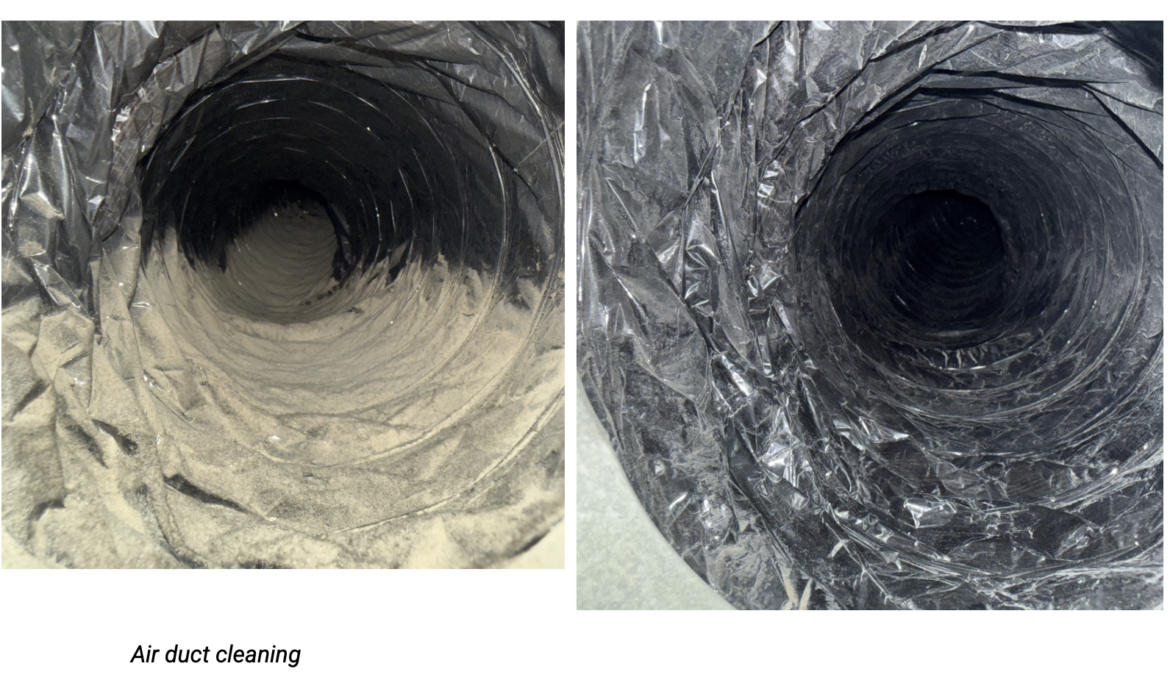
Fall is a practical time to inspect ducts for dust buildup, damaged fiberglass insulation, loose connections, air leaks, and restricted airflow before the heating system operates continuously. If damaged insulation is present inside the ducts, a professional should determine whether removal or encapsulation is appropriate. Outer insulation should be repaired. Correcting duct issues can improve comfort and help avoid wasted energy.
Ventilation-system maintenance
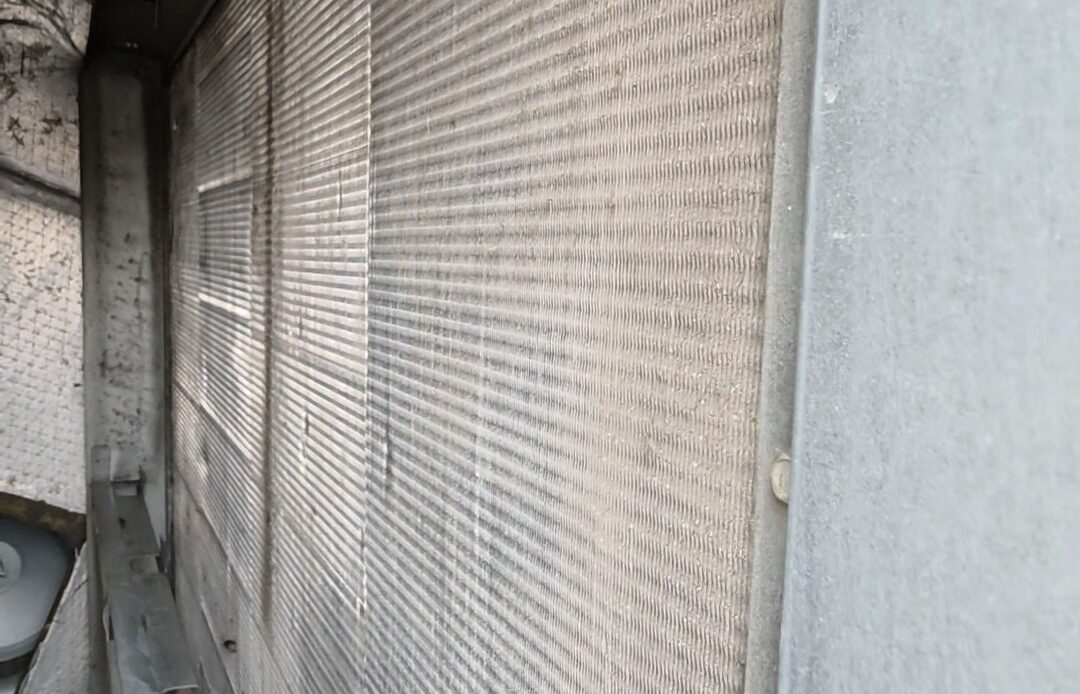
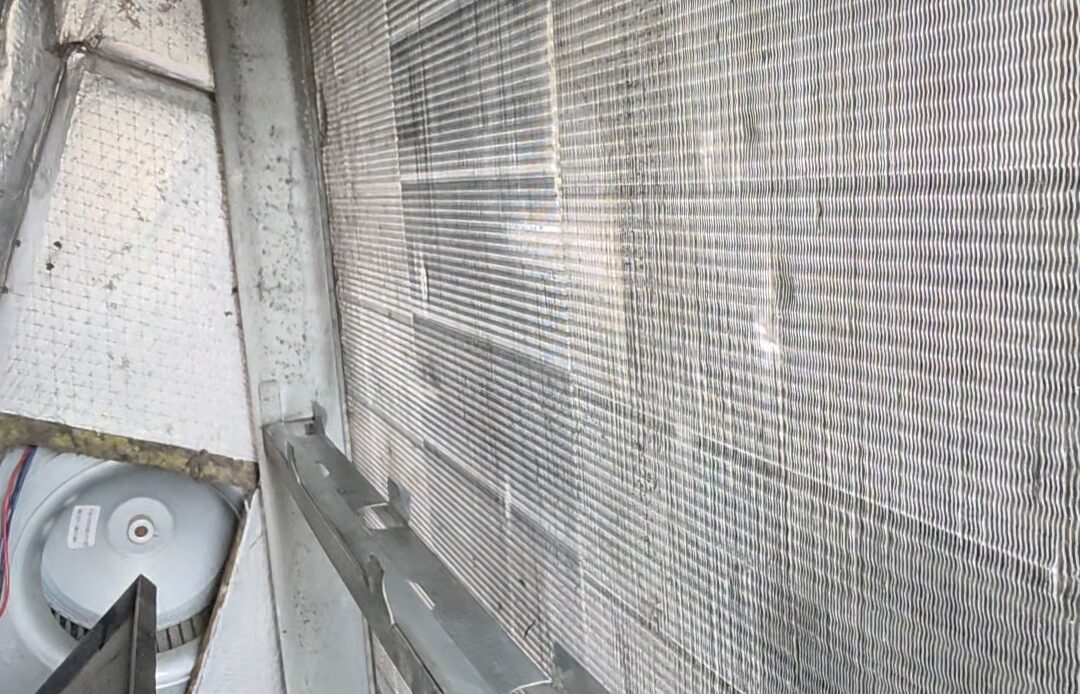
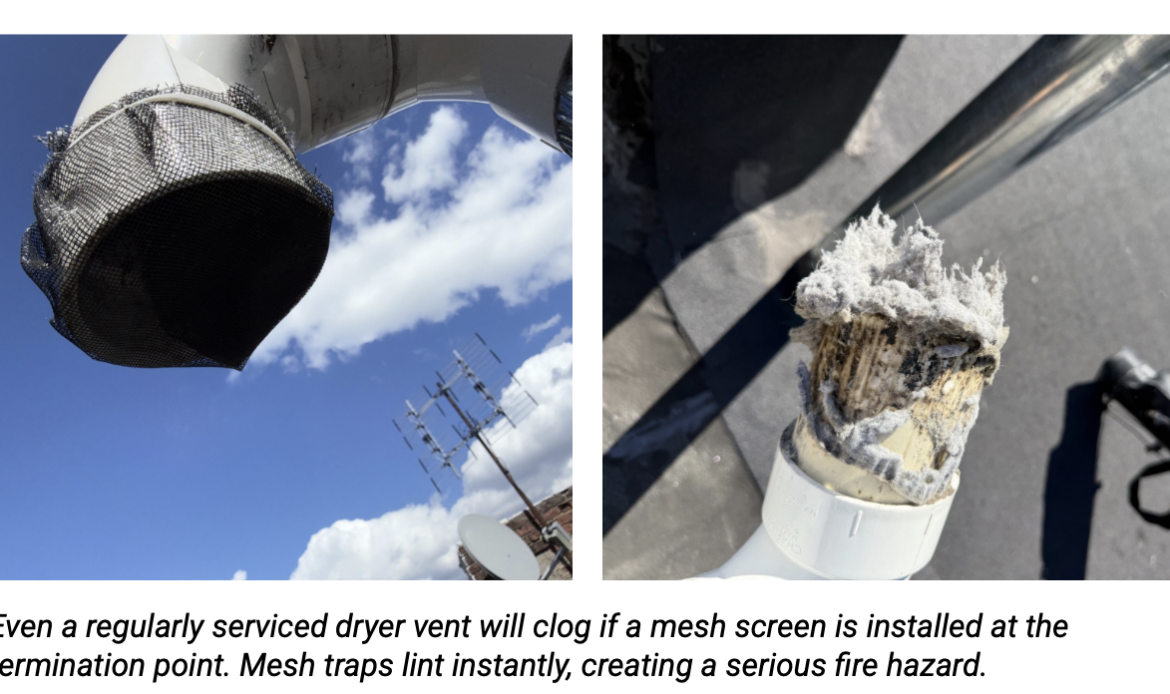
Service outdoor units, bathroom and kitchen exhaust fans, dryer vents, and other mechanical ventilation equipment. For split and heat-pump systems, have the outdoor unit inspected for dirt buildup, damaged components, refrigerant-line condition, and signs of leaks.
Clean grilles and filters, verify fan operation, and check outdoor terminations so the home receives reliable ventilation when windows stay closed more often.
Controls and System Configuration
Thermostat and control calibration
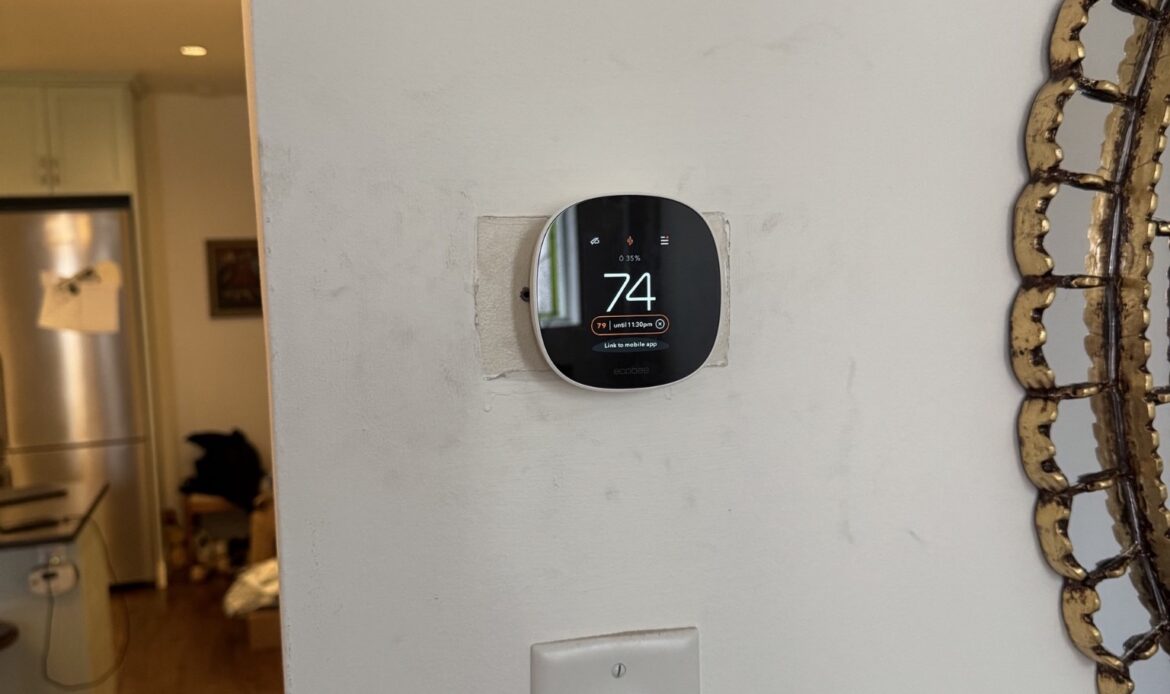
Test thermostats, smart controls, zoning dampers, sensors, and programming before heating demand increases. Correctly configured controls help prevent overheating, cold rooms, and unnecessary energy use.
System Configuration Check
Confirm that each component is installed and configured correctly. A professional should check that dampers move freely and do not collect lint or debris, that ducts and equipment connections are sealed, and that split-system AC units show no signs of refrigerant or condensate leaks. Addressing these details early helps prevent comfort, efficiency, and safety problems later in the season.
Chimney Services for Fall
Done to remove soot, creosote, leaves, and other obstructions before using a wood-burning fireplace or stove. Creosote buildup and blockages can create fire and carbon-monoxide hazards.
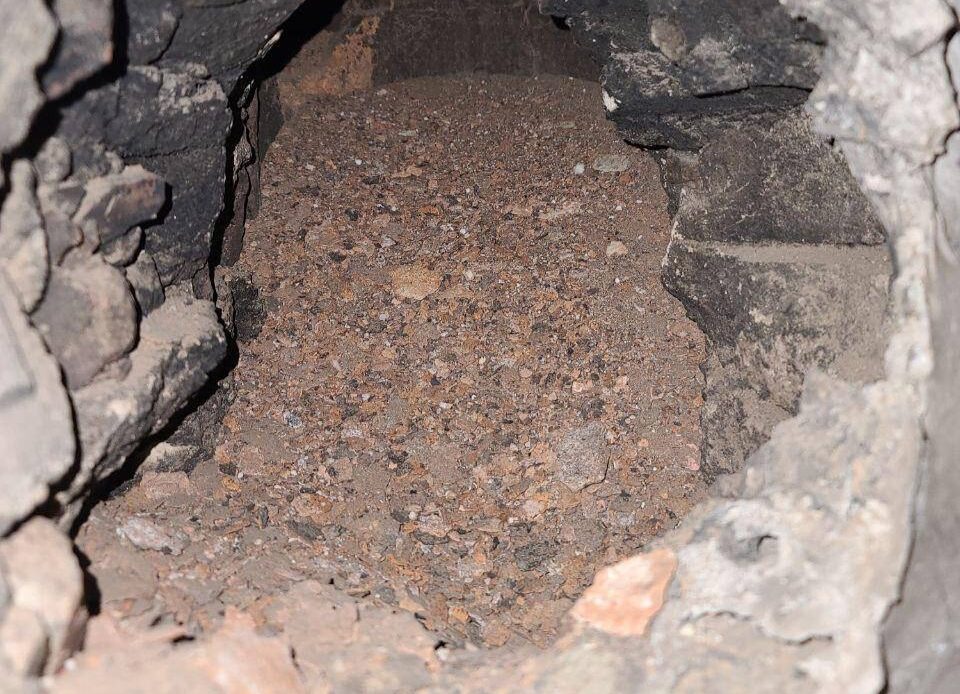
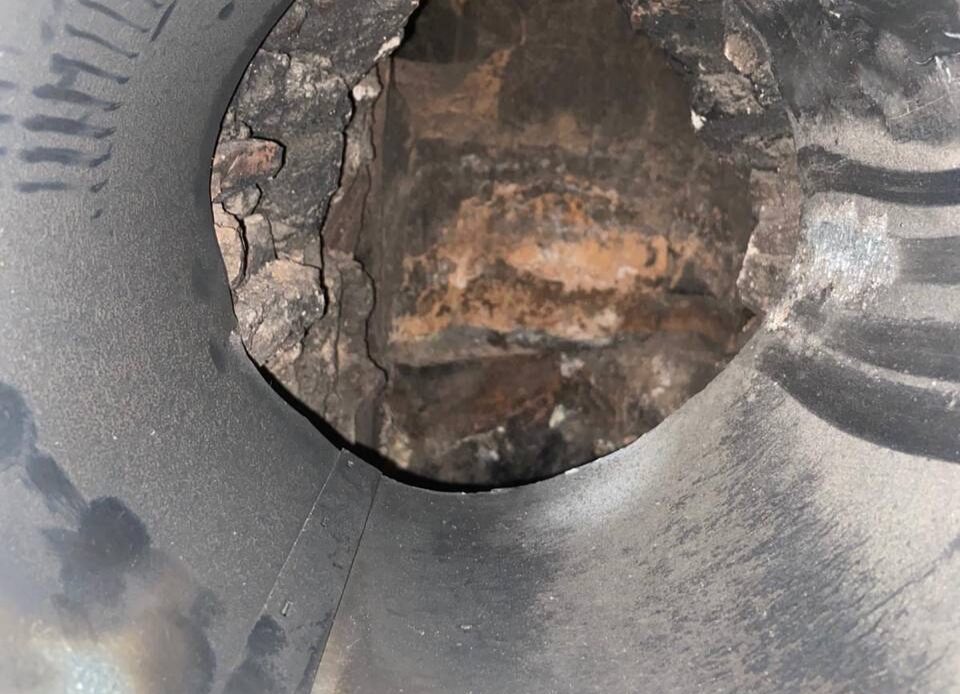
Have the flue, liner, smoke chamber, damper, masonry, flashing, cap, and crown checked for deterioration or water intrusion. Early inspection provides time to address defects before frequent winter use.
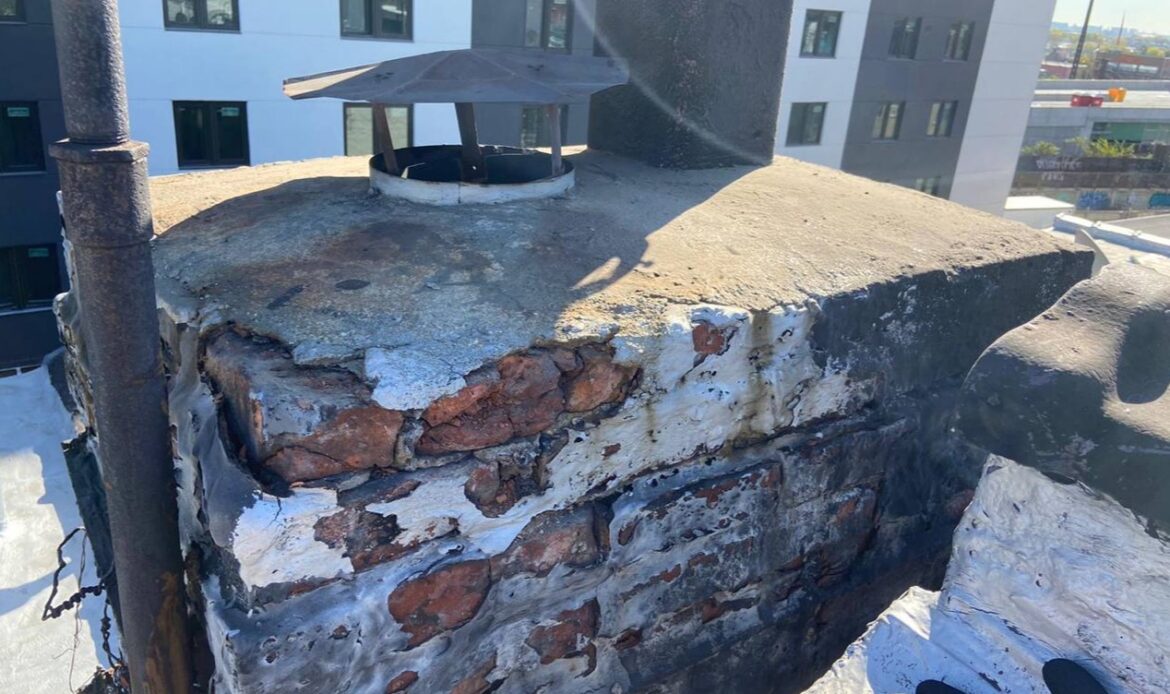
Deterioration of the masonry beneath the layer of tar (the tar must be removed, and the chimney repaired)
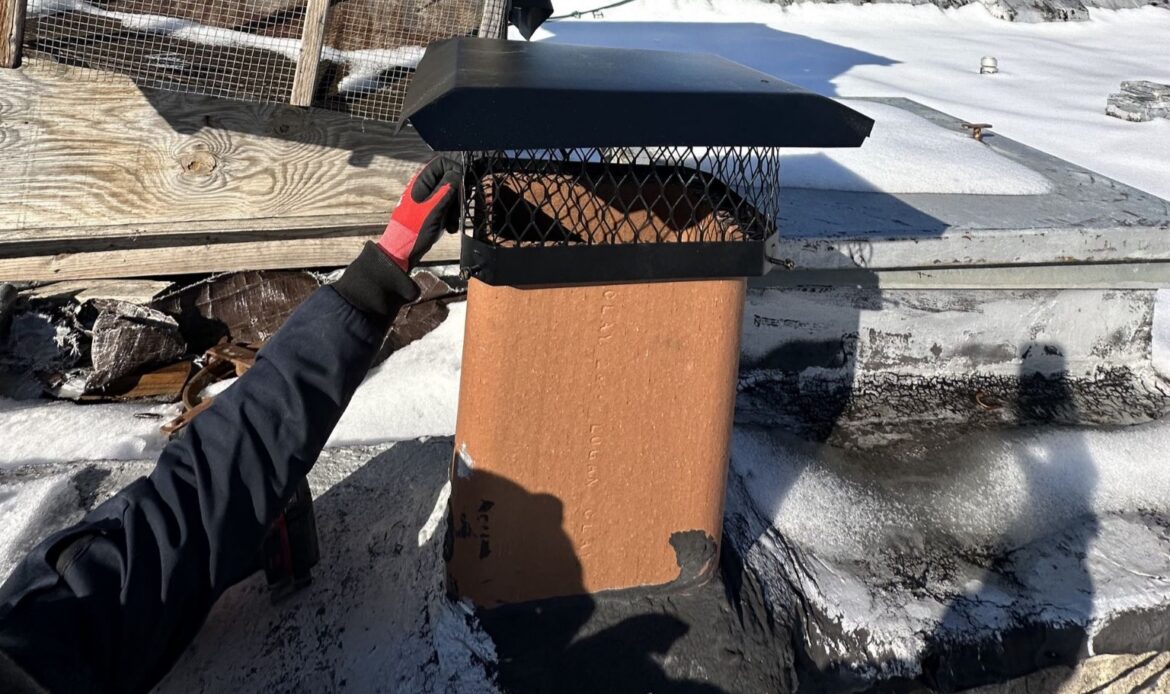
Newly installed chimney cap to protect the chimney system by preventing water intrusion, blocking debris and animals from entering the flue, reducing downdrafts, and enhancing overall efficiency and safety.
Fireplace and stove draft test
Chimney professionals evaluate whether the fireplace or stove is drafting properly and inspect the damper for smooth operation. Identifying draft restrictions or damper problems before the heating season helps prevent smoke spillage, poor performance, and an unusable appliance when colder weather arrives.